Art & Parkinson’s
Love letters from a caregiver
More artwork and writing on the theme of “Grief & Acceptance”
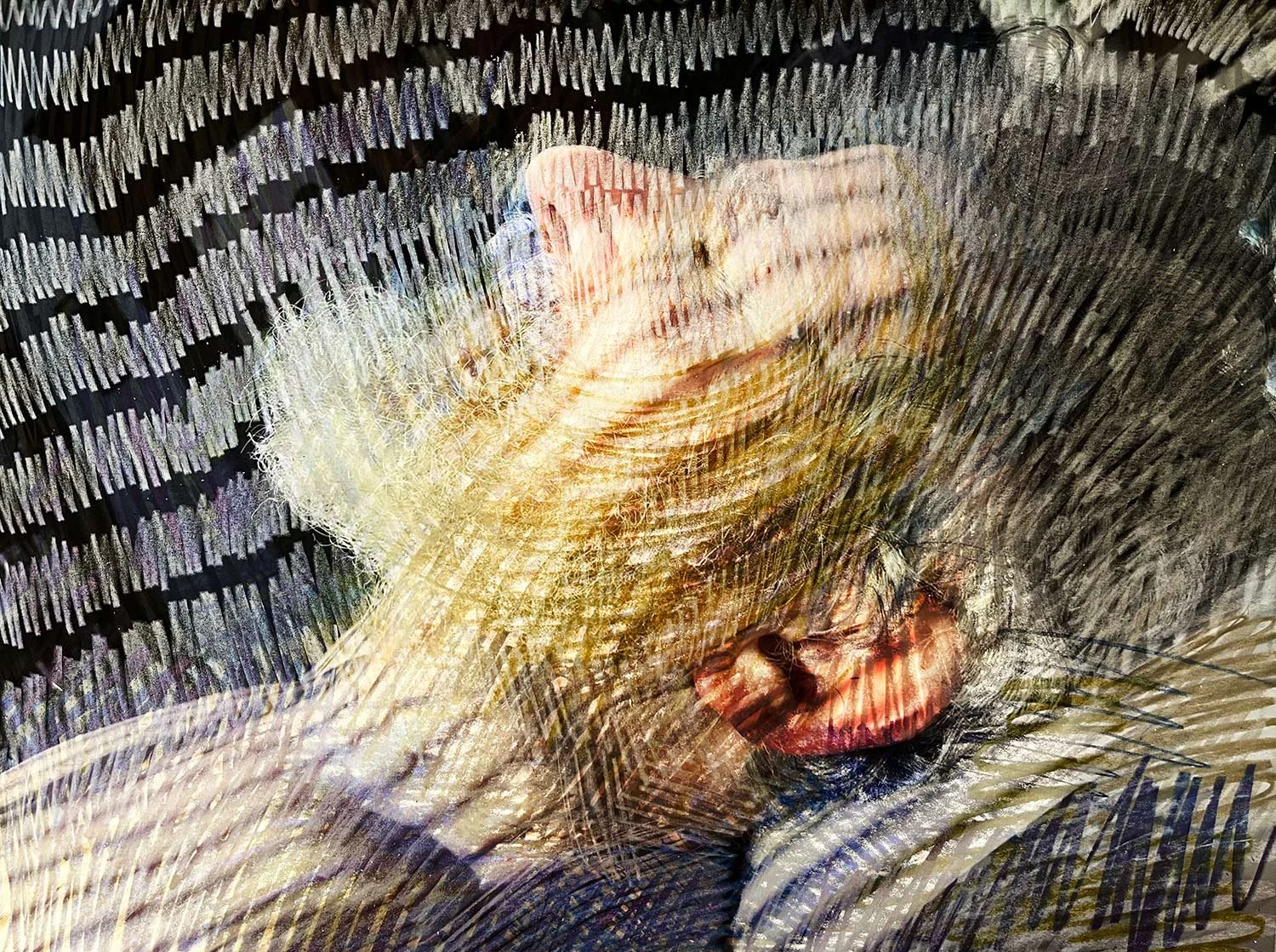
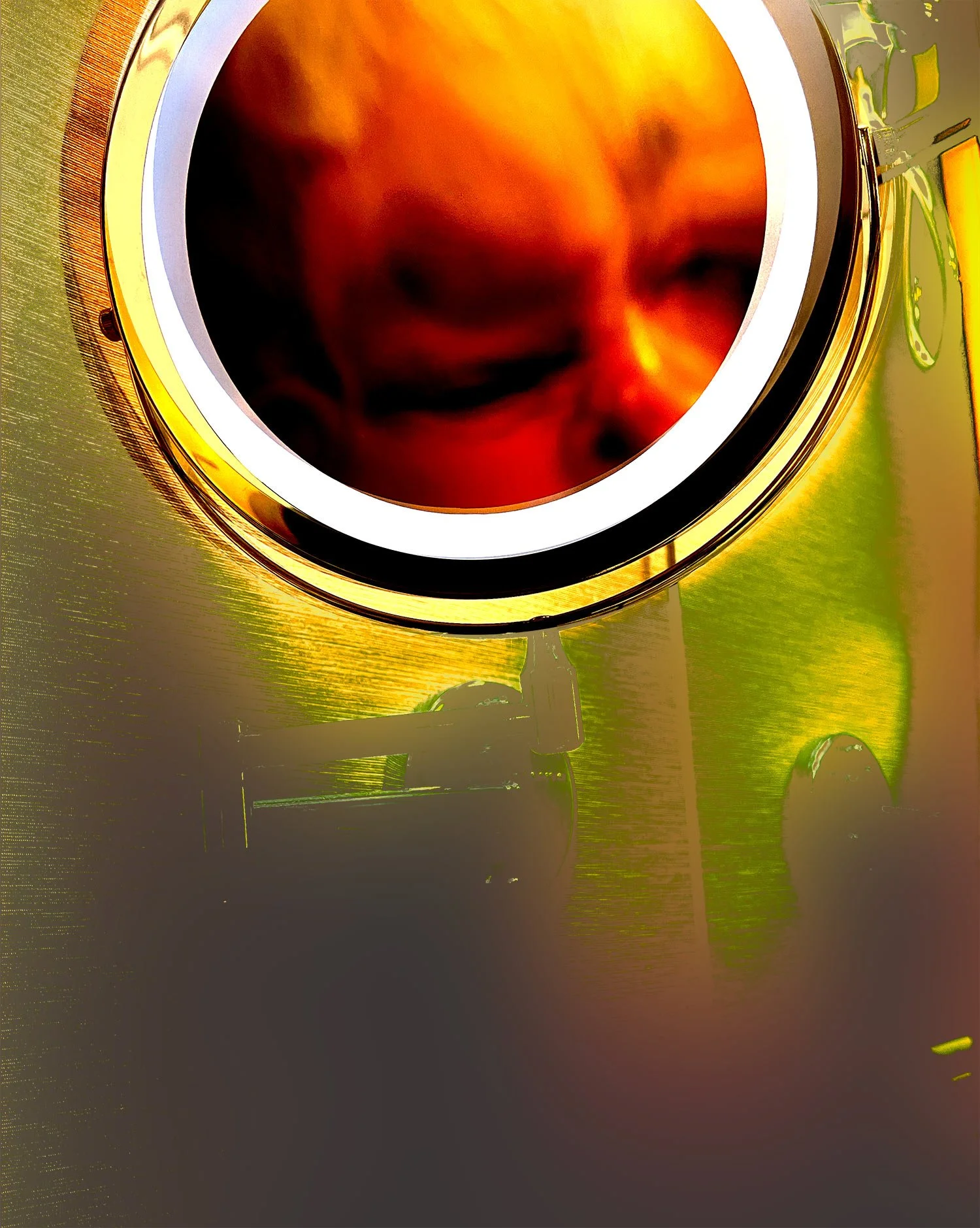
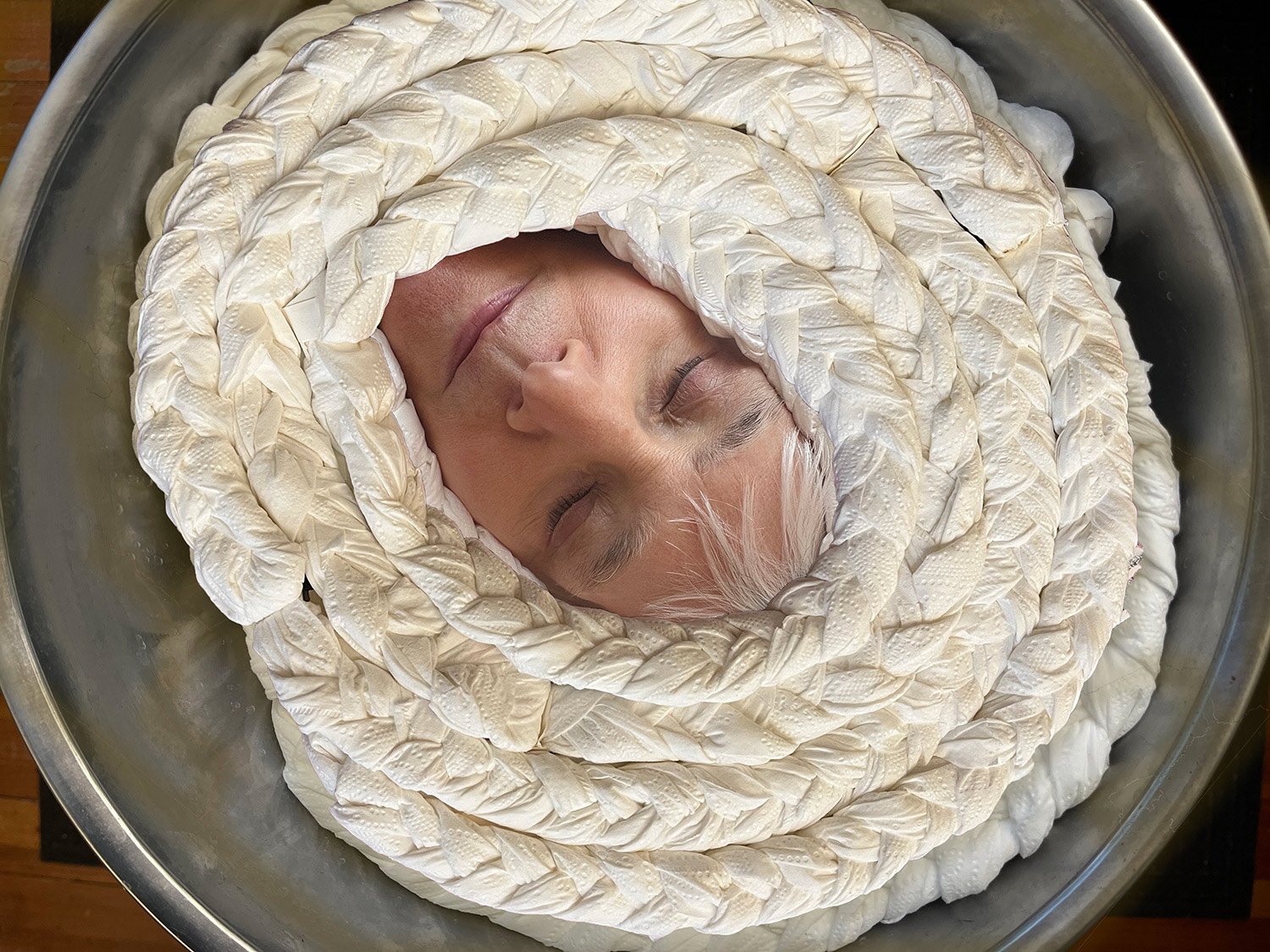
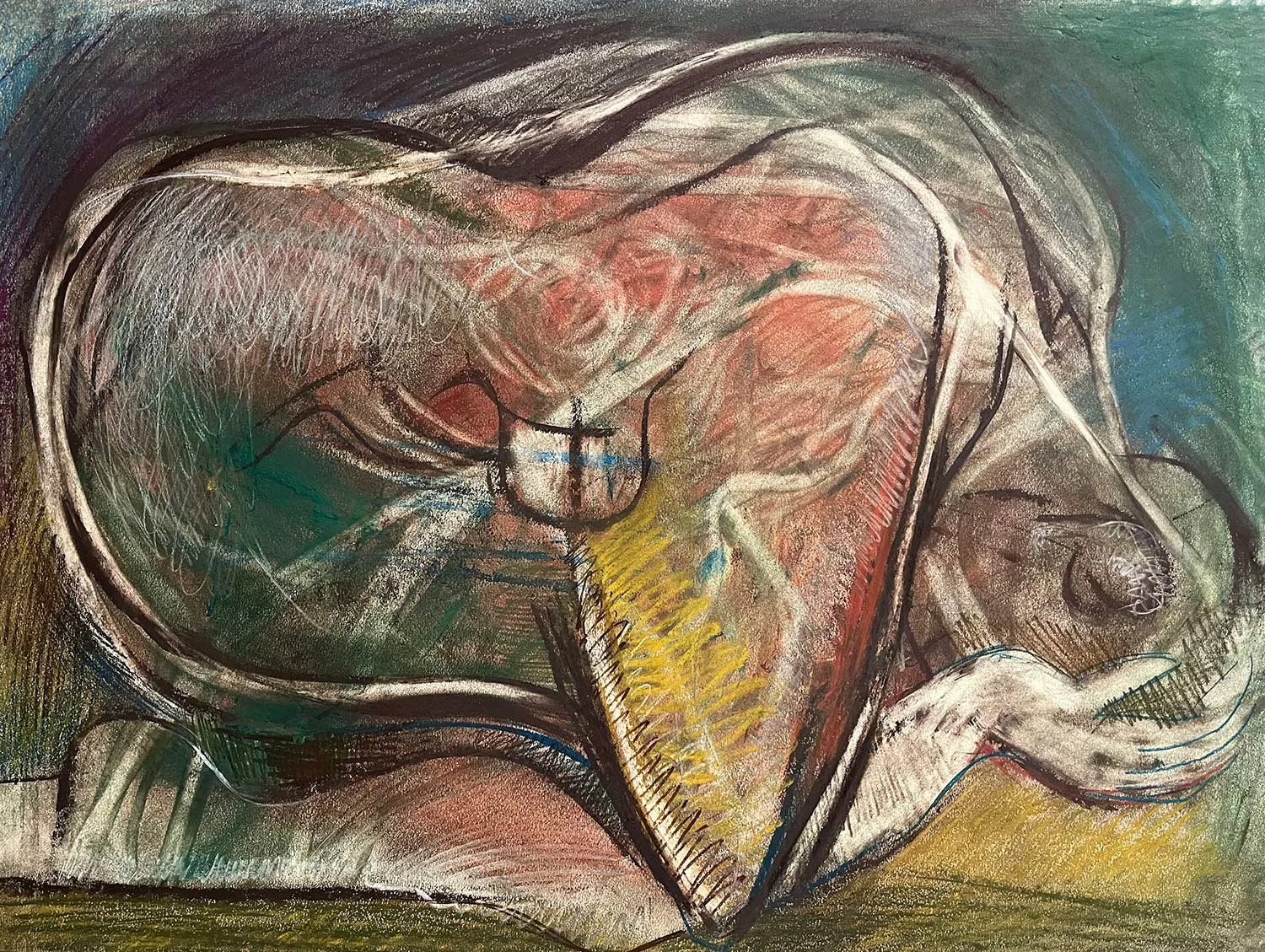
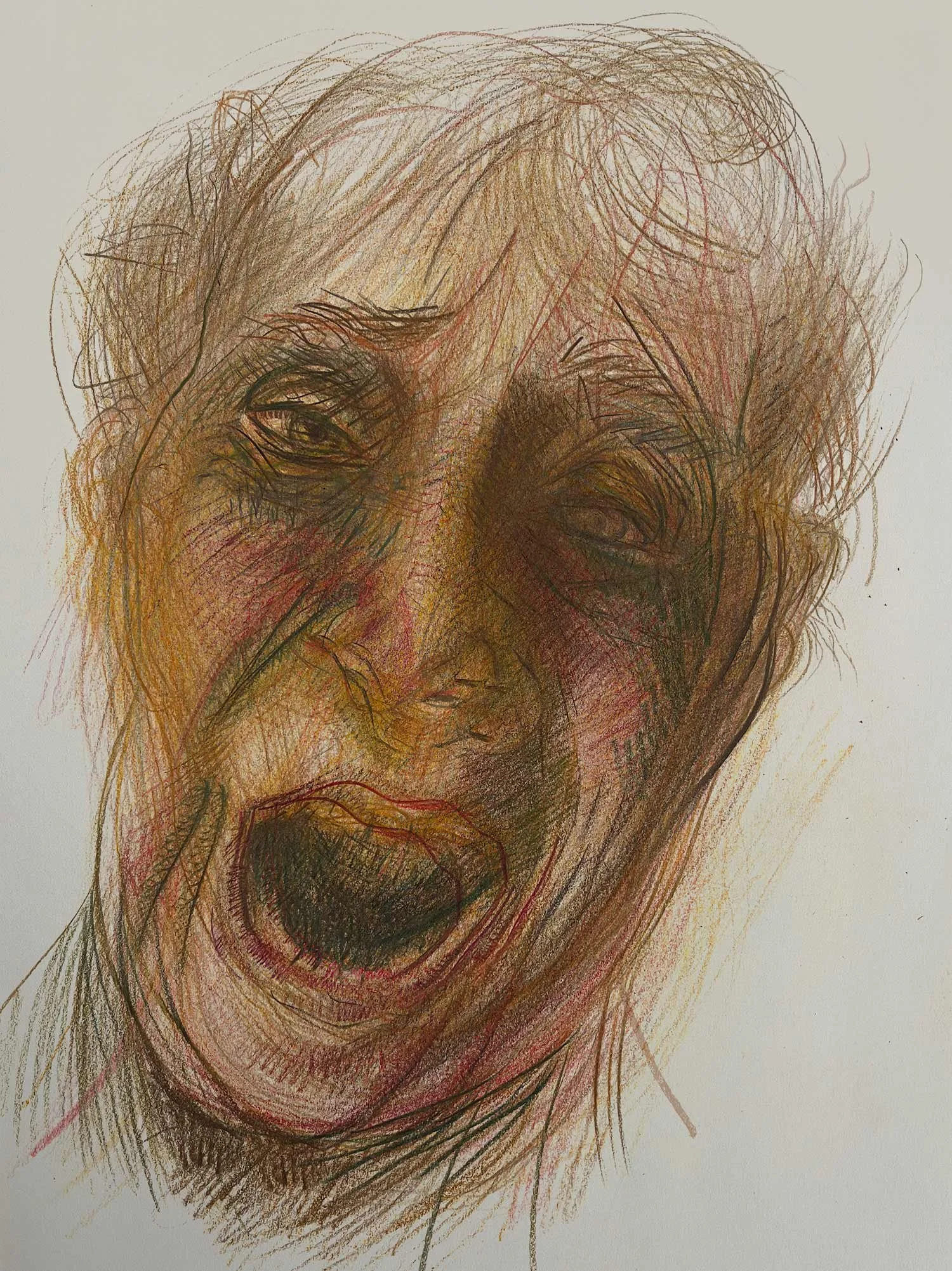
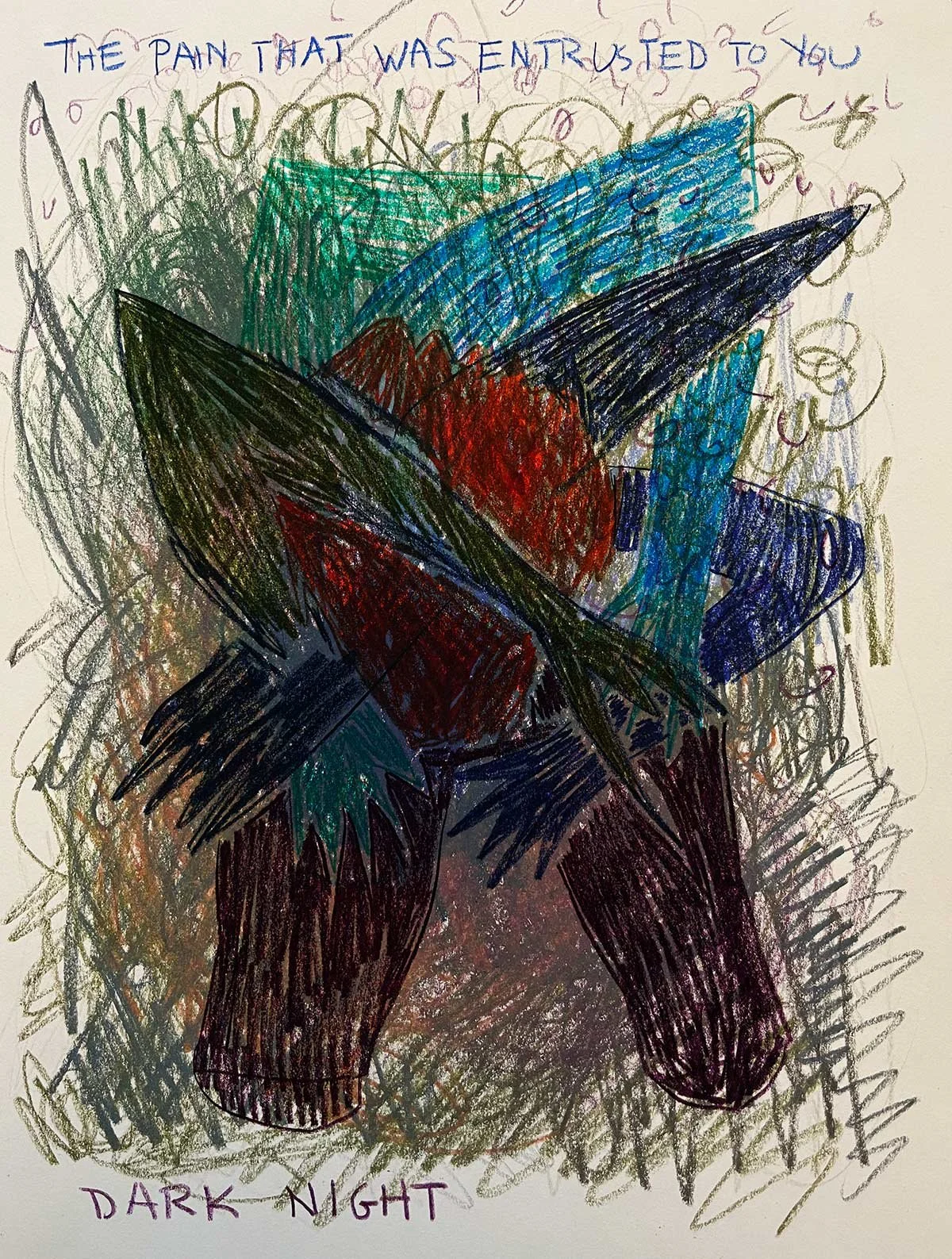
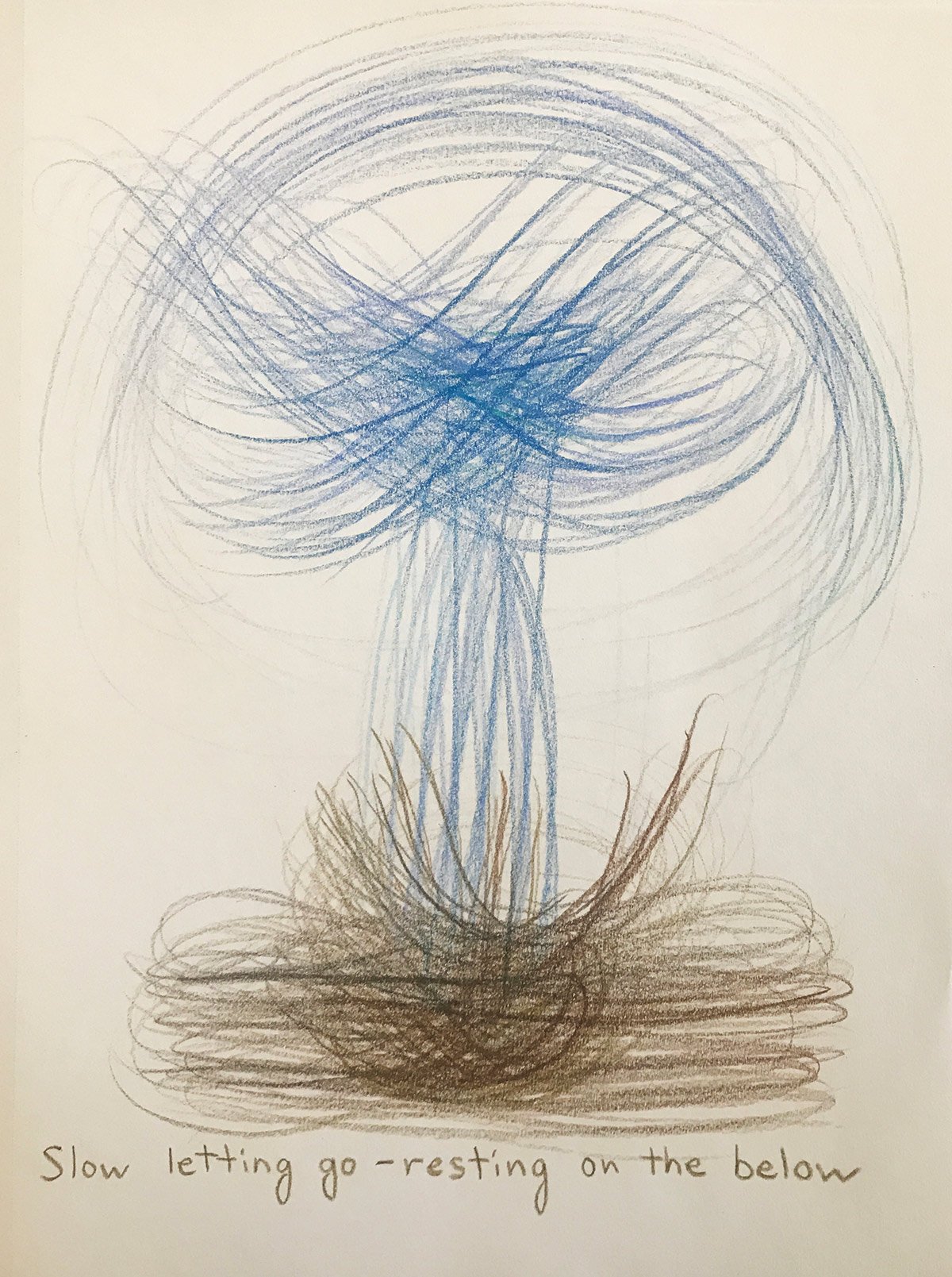
The Fog
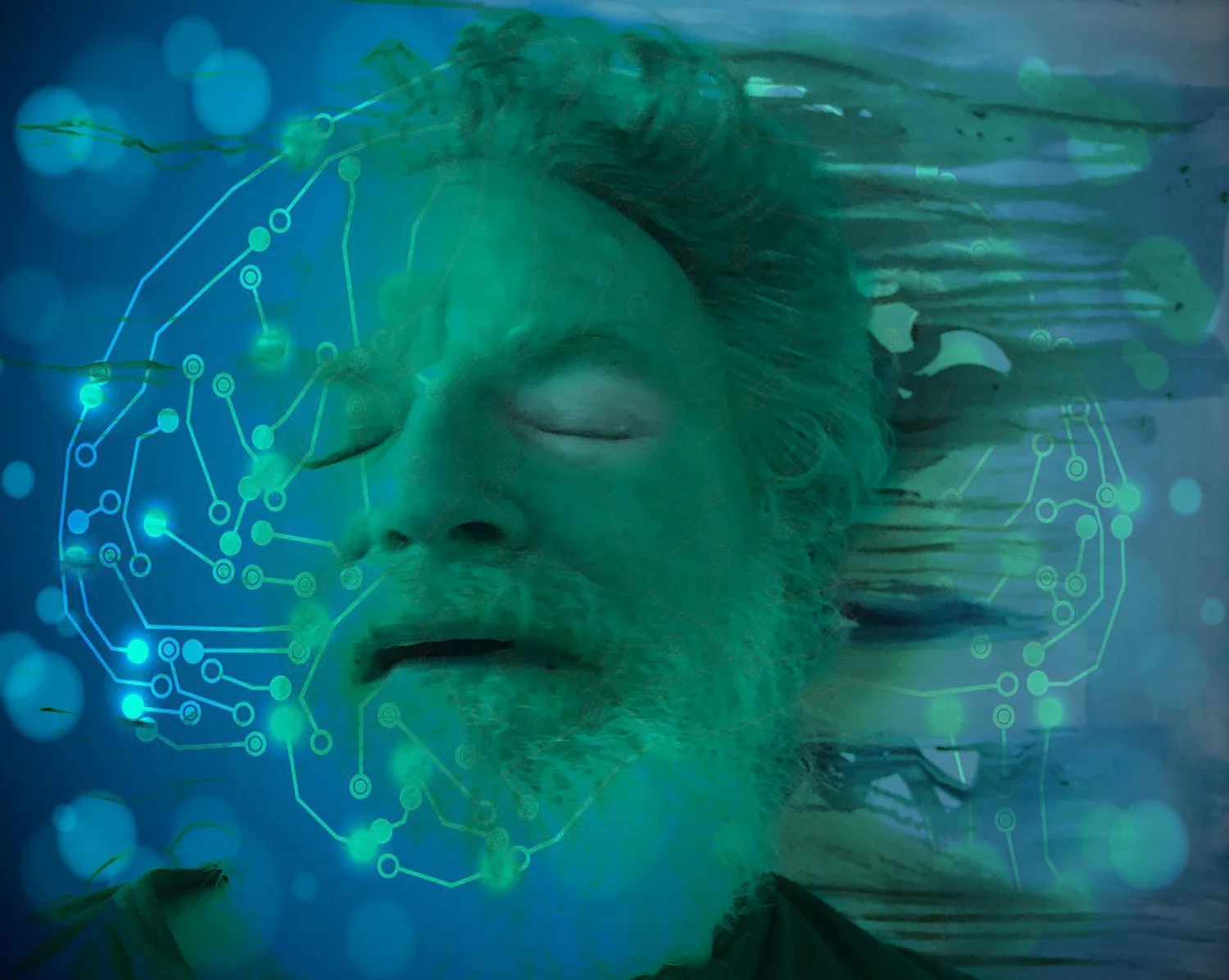
There is a beautiful idea discussed in meditation circles that when one drives in the night fog with your headlights on, you can only see as far as the light shines. And yet, you are able to go the whole way like that. And if you use your high beams, you actually can’t see as well.
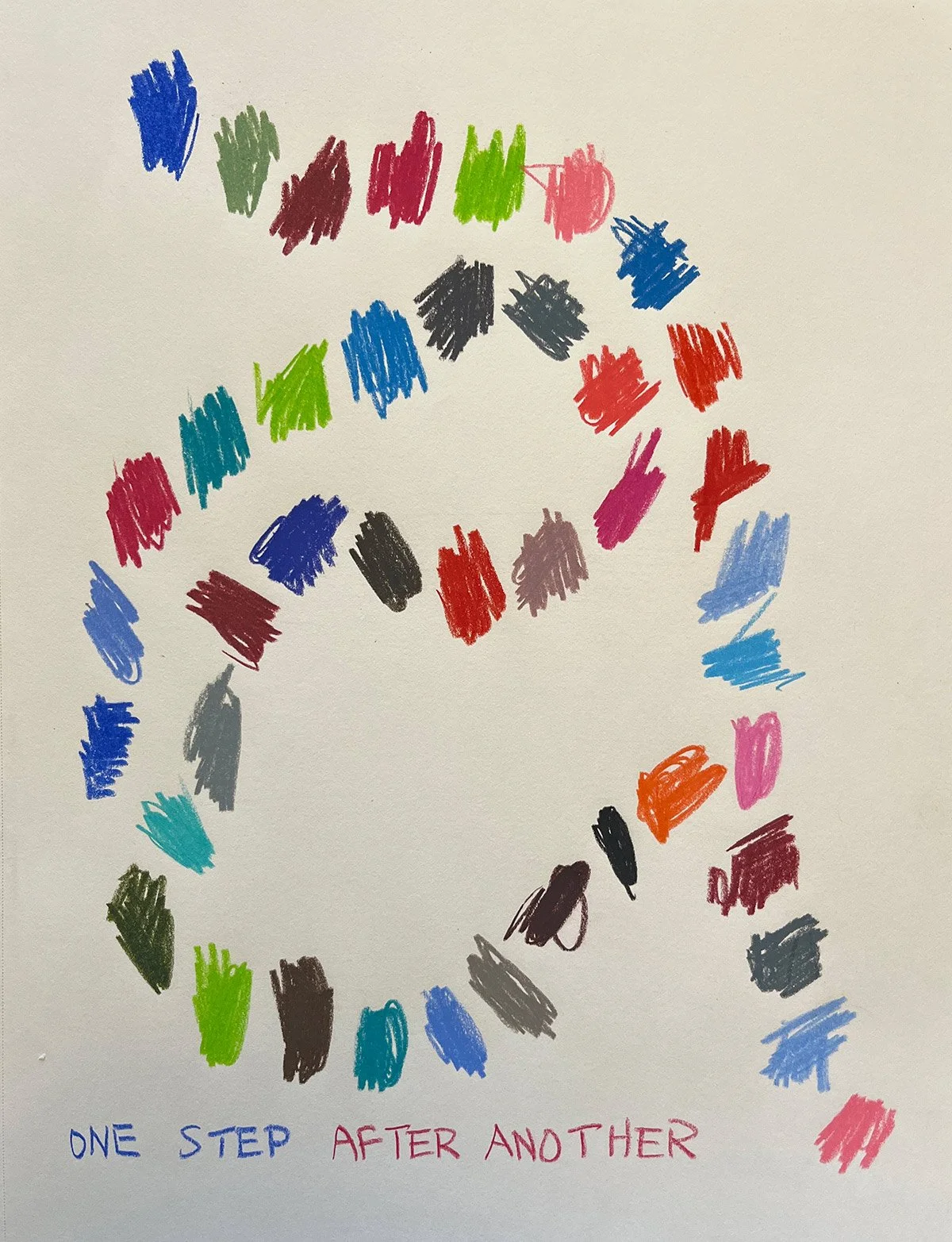
So I am trying to go bit by bit, just looking at what is right in front of me with a soft gaze. It’s so hard to do in practice because the mind takes over. My brain thinks it knows how the road curves around the next bend, but this is most likely a bend I’ve never approached before. A brushstroke I’ve never had to respond to before, a moment at the dining room table where we are sitting together, but everything is actually different.
Sometimes it’s important to be sharply focused. But sometimes, maybe it’s better to imagine the fog, the encompassing blindness that forces you to say to yourself, “I don’t know where I’m going. I’m going to slow down and feel my way through this, not assume anything.”
6,000 Days of (Uncried) Tears
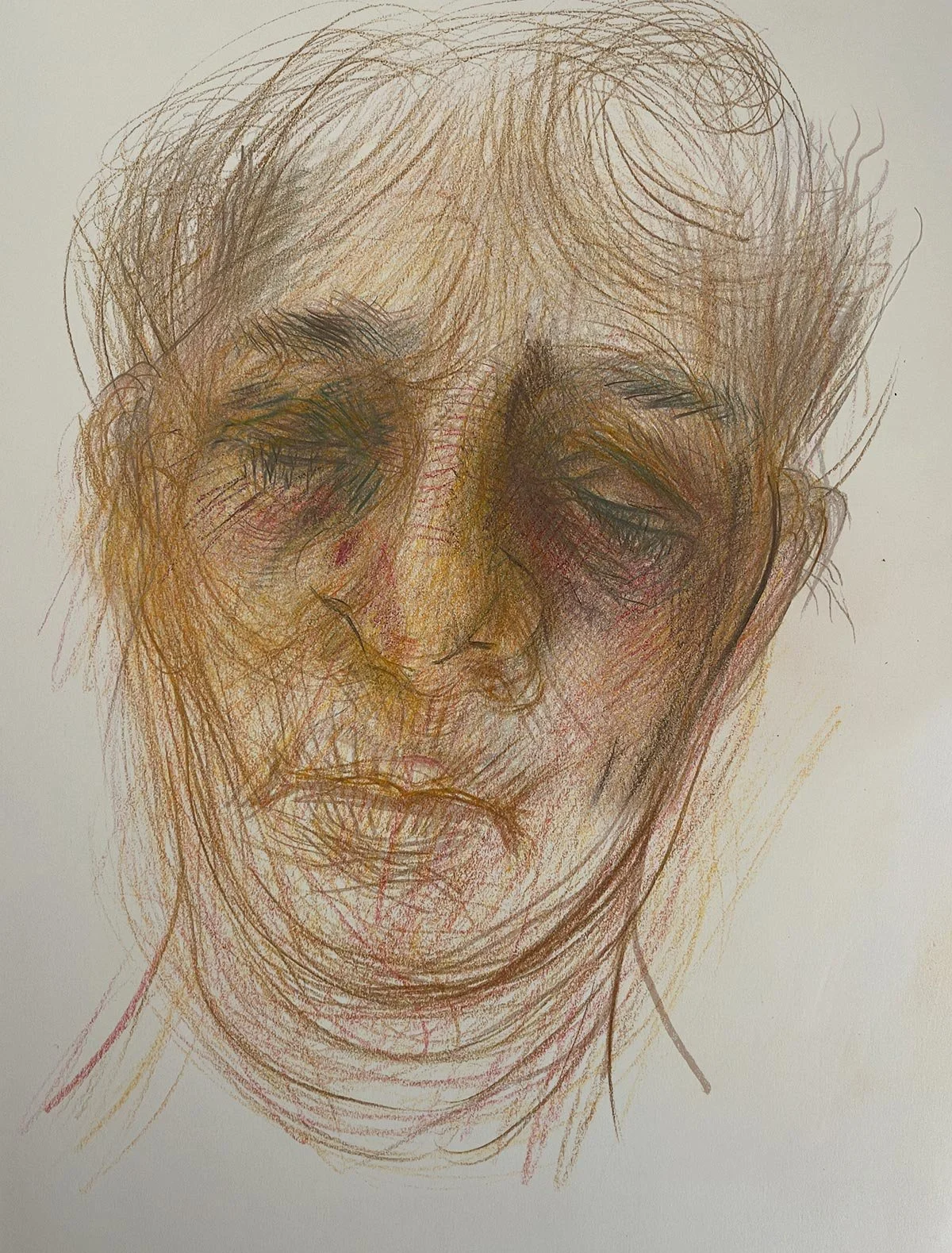
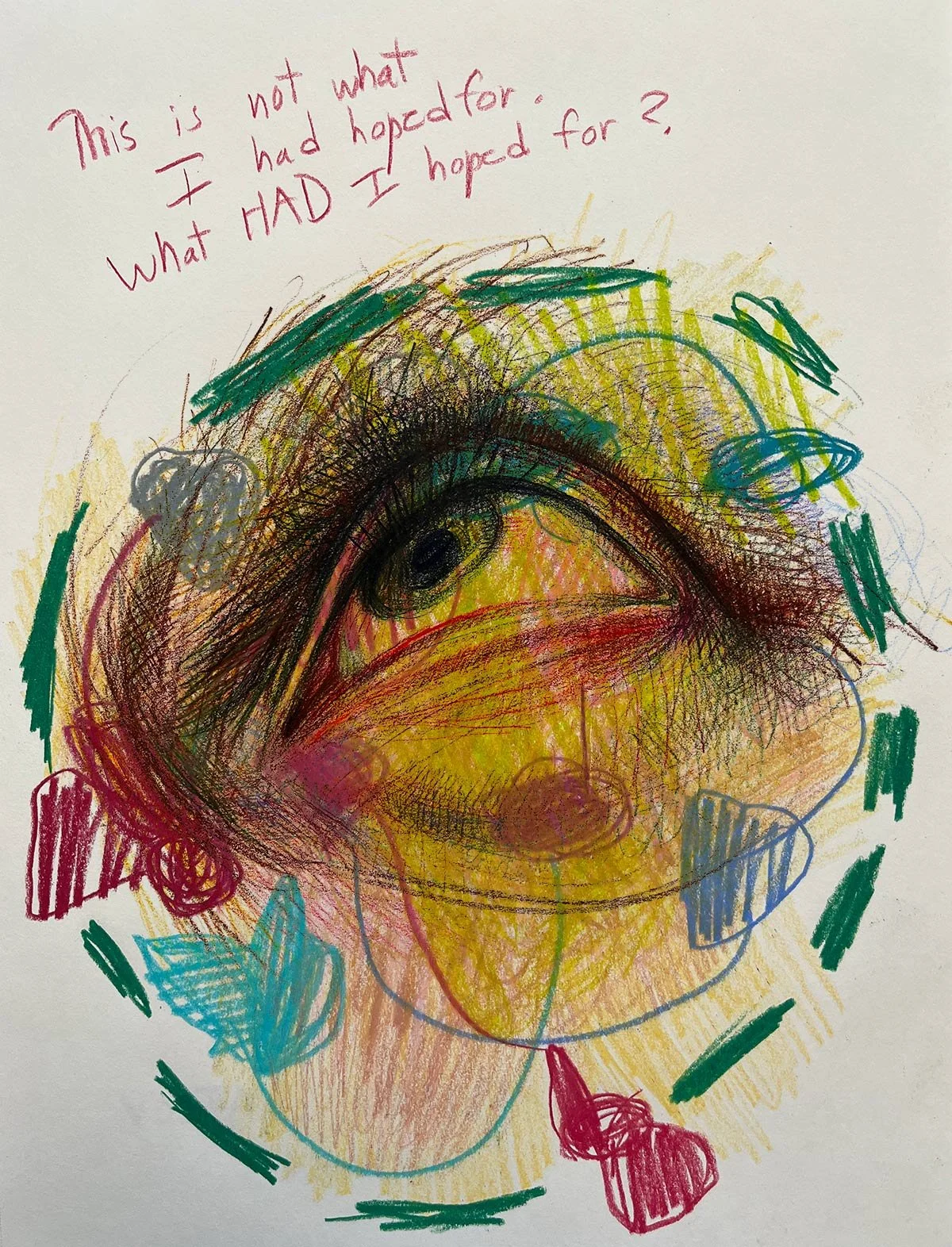
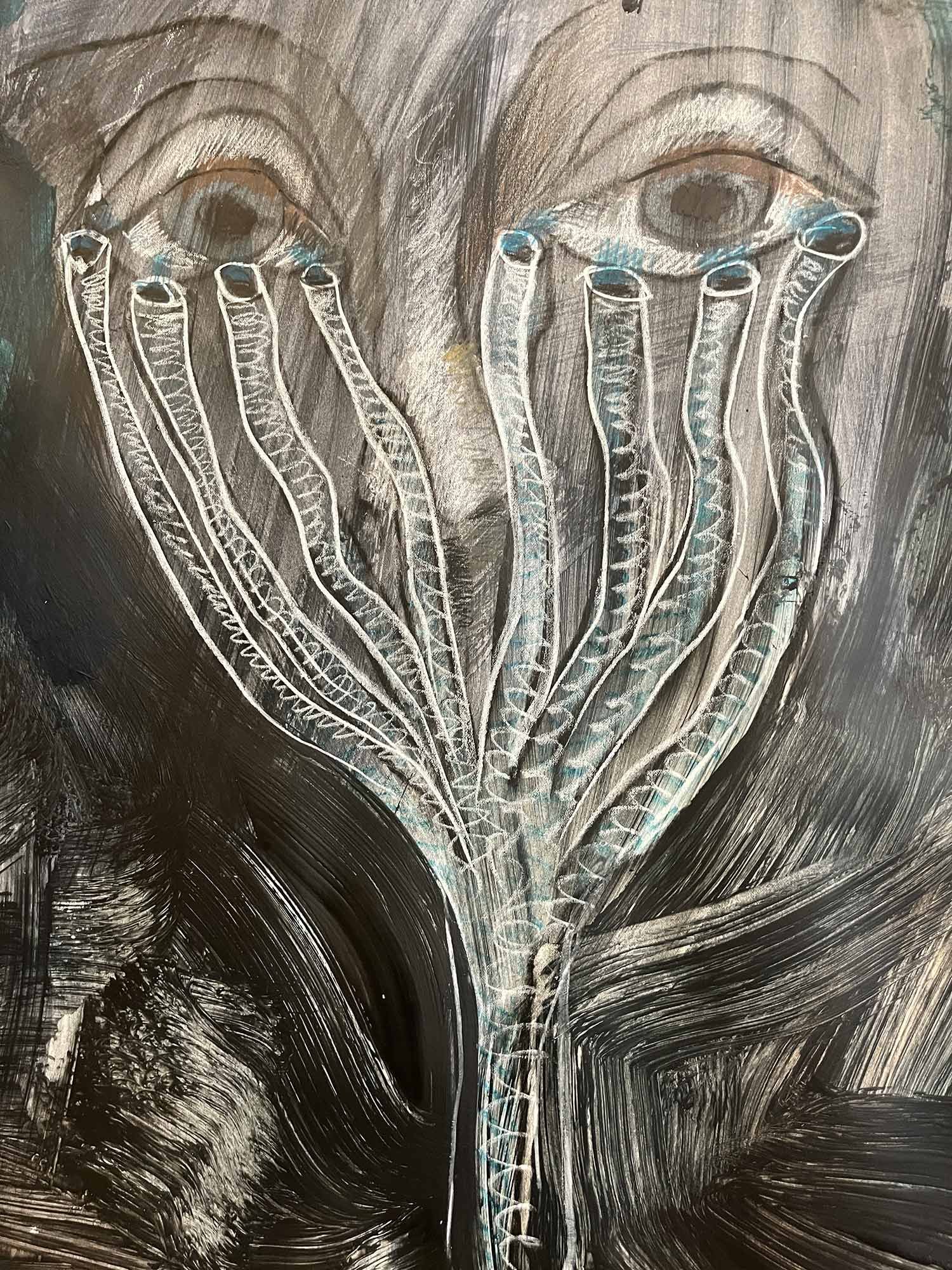
I haven’t cried much in a long time. I don’t know why. I used to cry easily—and it was so satisfying.
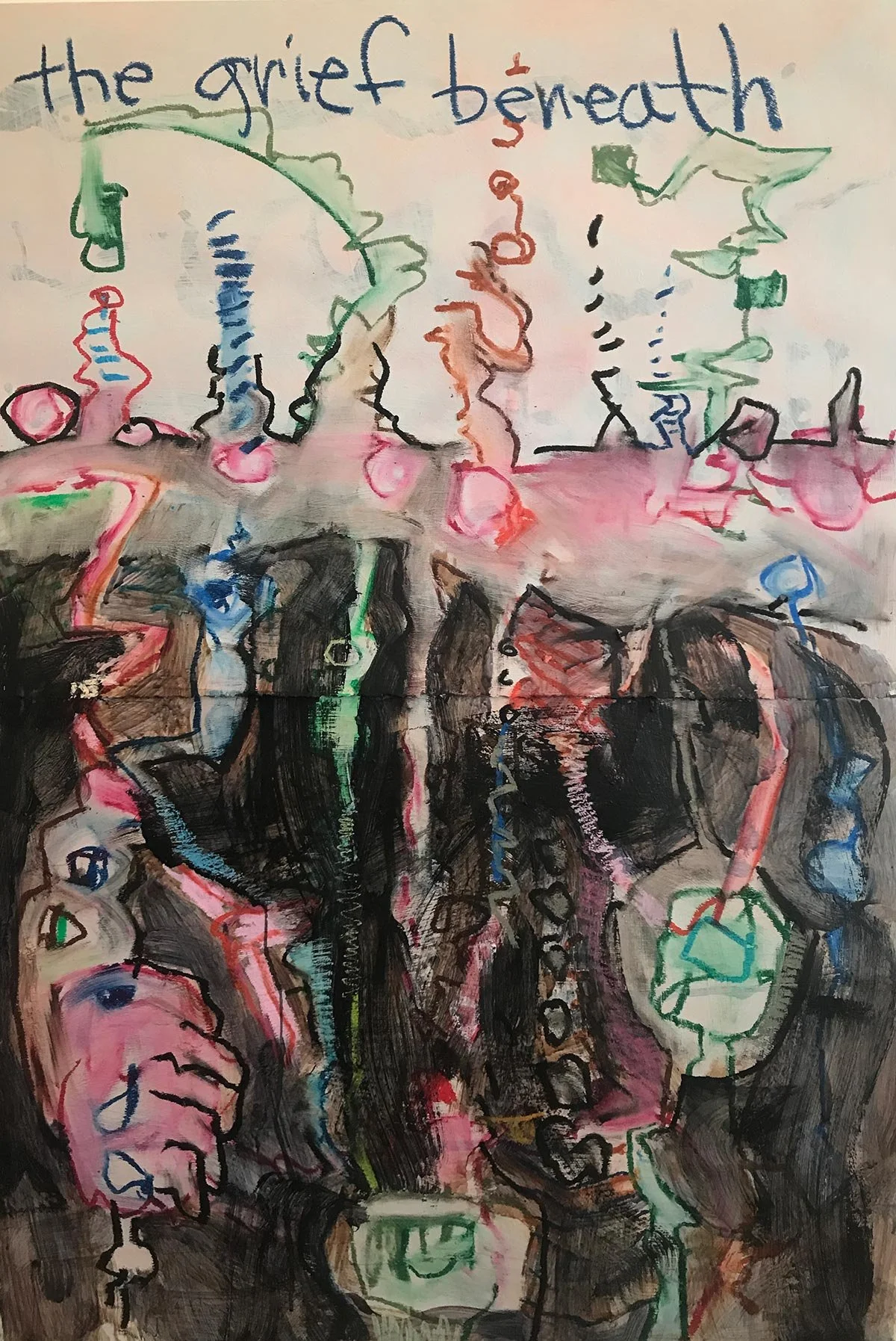
Is my lack of crying now because of “ambiguous grief,” as they call it? (You’re never sure what to cry about because the losses are unclear.) Is it that after seventeen years of our Parkinson’s journey, I’ve accepted our lot in life and, despite everything, I’m reasonably content? Or is it just what happens when you get older?
But after seeing Hal’s post-surgery catheter that drained the pee from his bladder, the thought came to me that maybe I could get a catheter for my tears. A way to drain the tear ducts so that the tears could start flowing again.
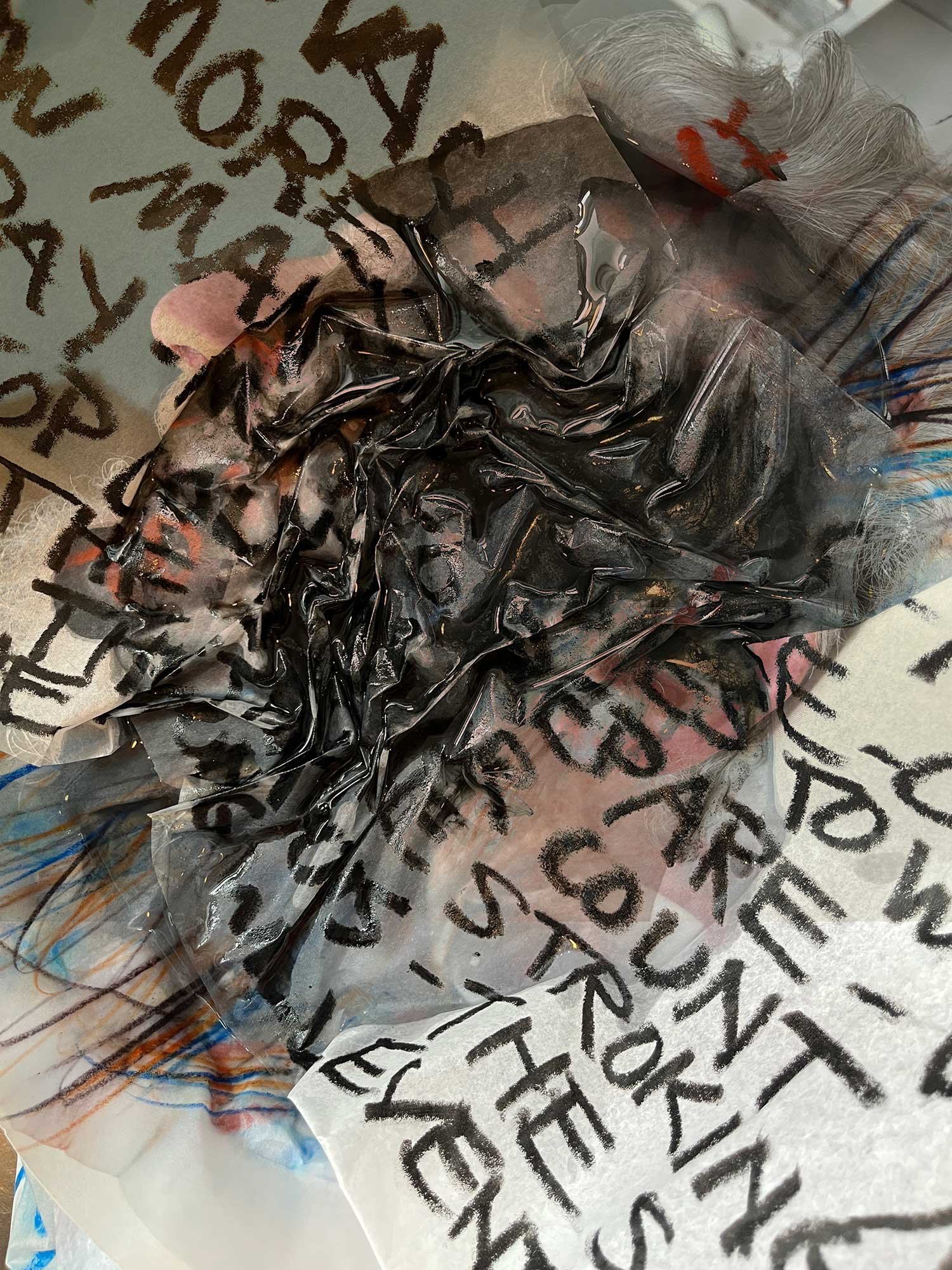
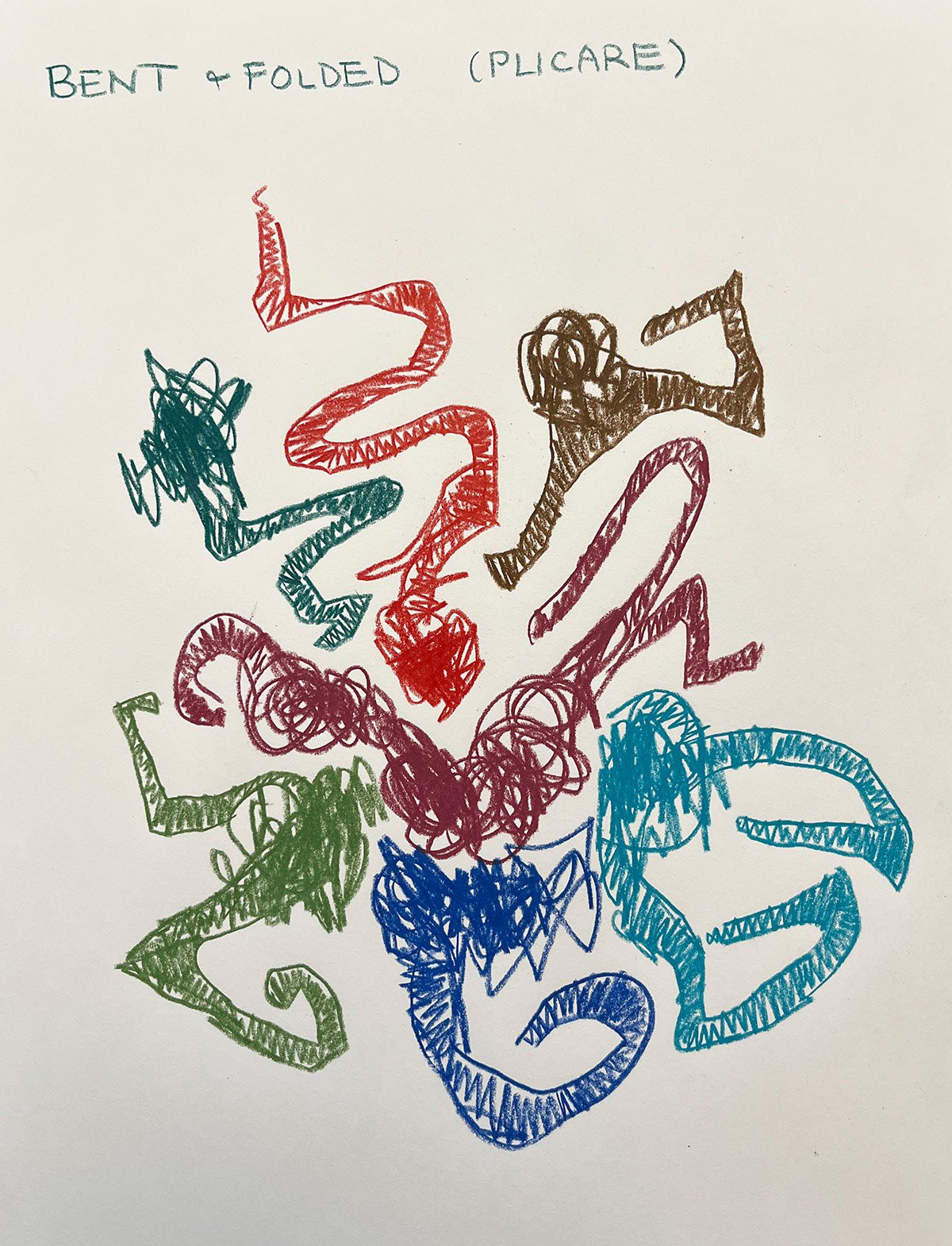
Plicare: To Fold, To Bend
I’m not a Latin Root kind of person, but Hal is.
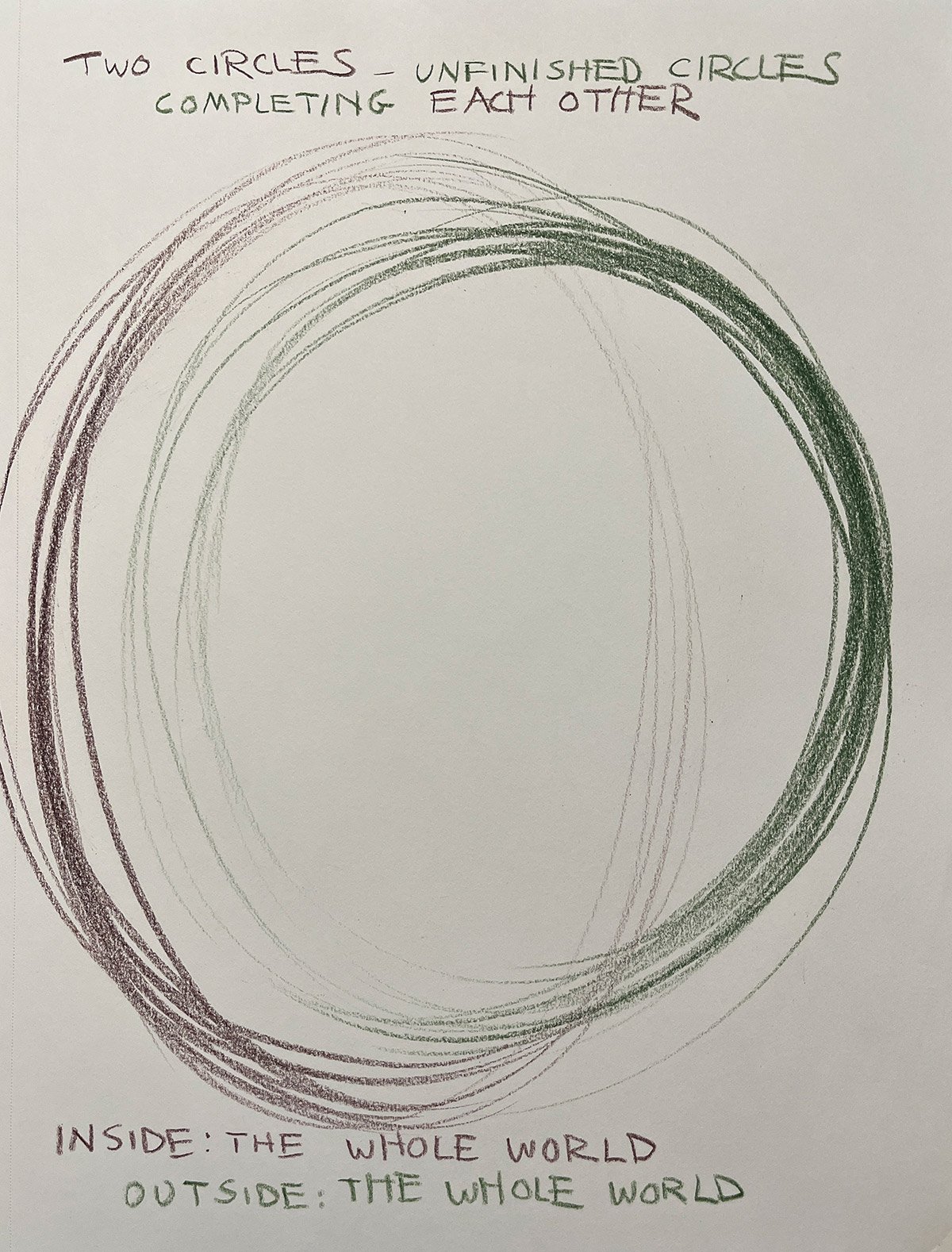
The other day we were talking about how complicated our situation is—how, as a caregiver, I’m torn between taking care of myself and taking care of Hal. And Hal, being the care receiver, is struggling with his own agency and independence vs. letting go of wanting things to be the way they were in the past and accepting care. And then there's the two of us as a team—the complexities of learning how to live with change and loss as a couple.
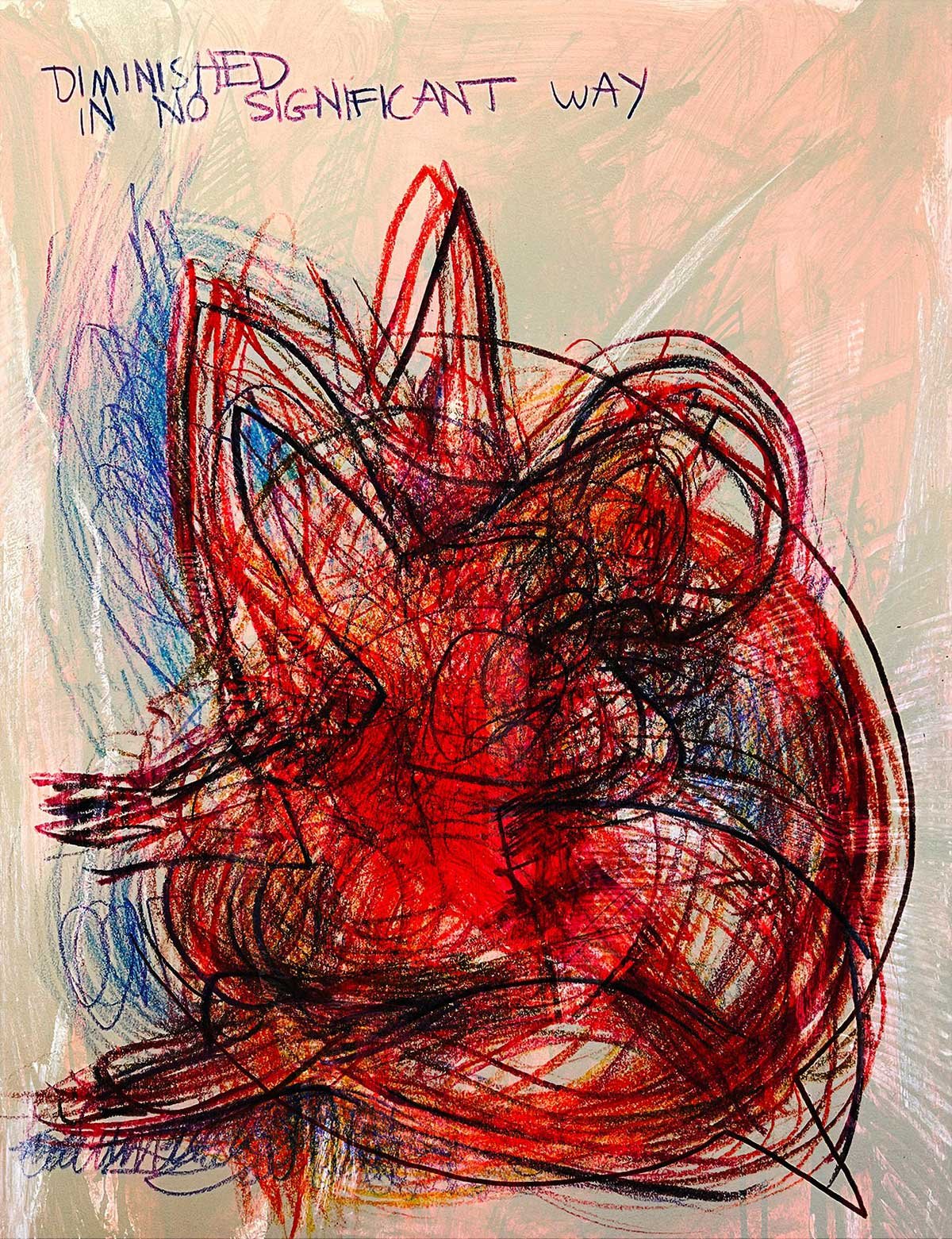
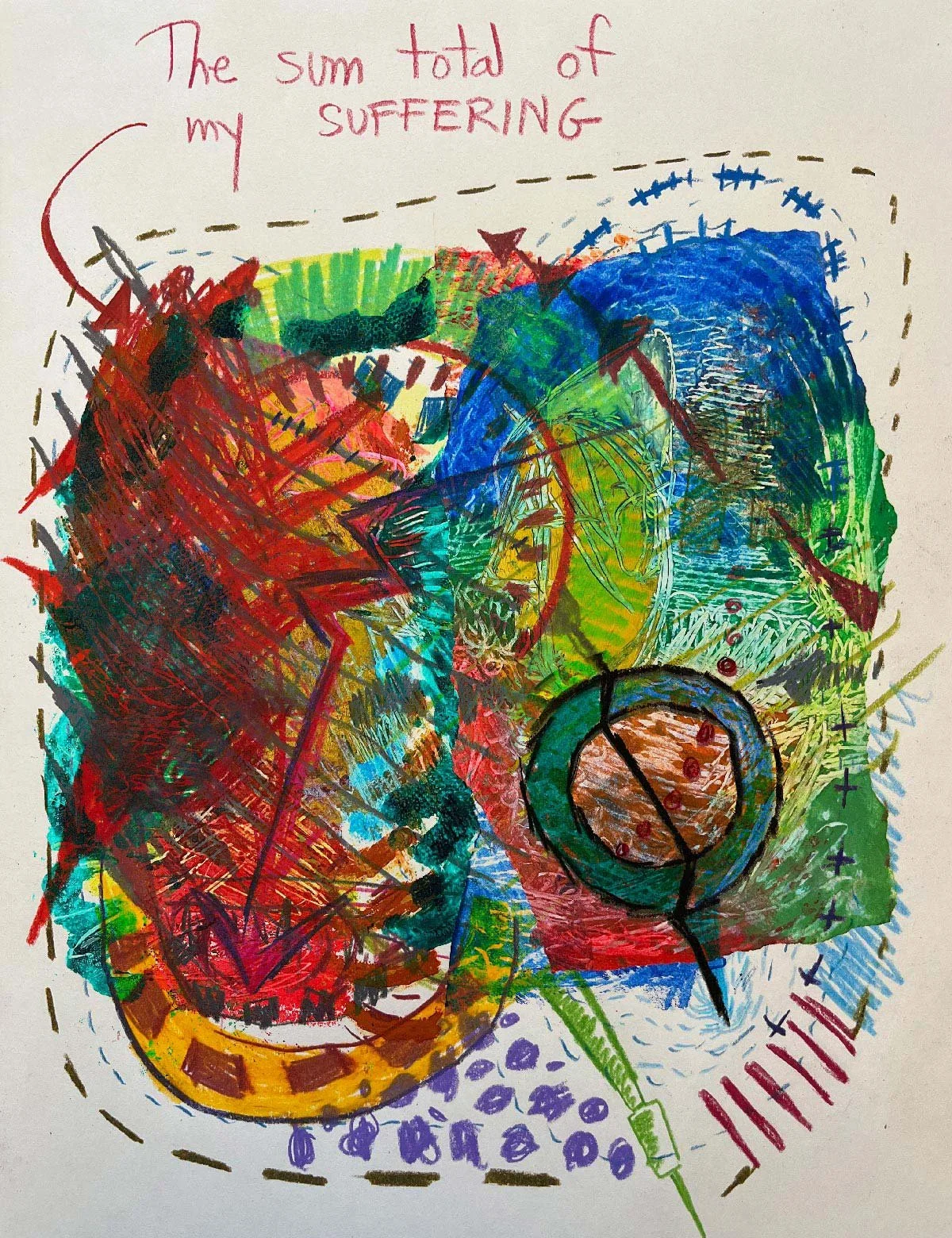
I was telling Hal about a folded paper collage I’ve been working on—and how I was struggling with its complexities. All of the sudden, he said, “Plicare!”
“What?” I said.
“Plicare is the root of complicated,” he explained. A lot of the “hard” words have that root: supplicant, applicant, and so on. We talked about the meaning of the root (to fold, to bend)—and tried to figure out what the “folding in” consisted of in each word. How applicable that meaning is to our situation. How we’ve both had to learn to fold, to bend.
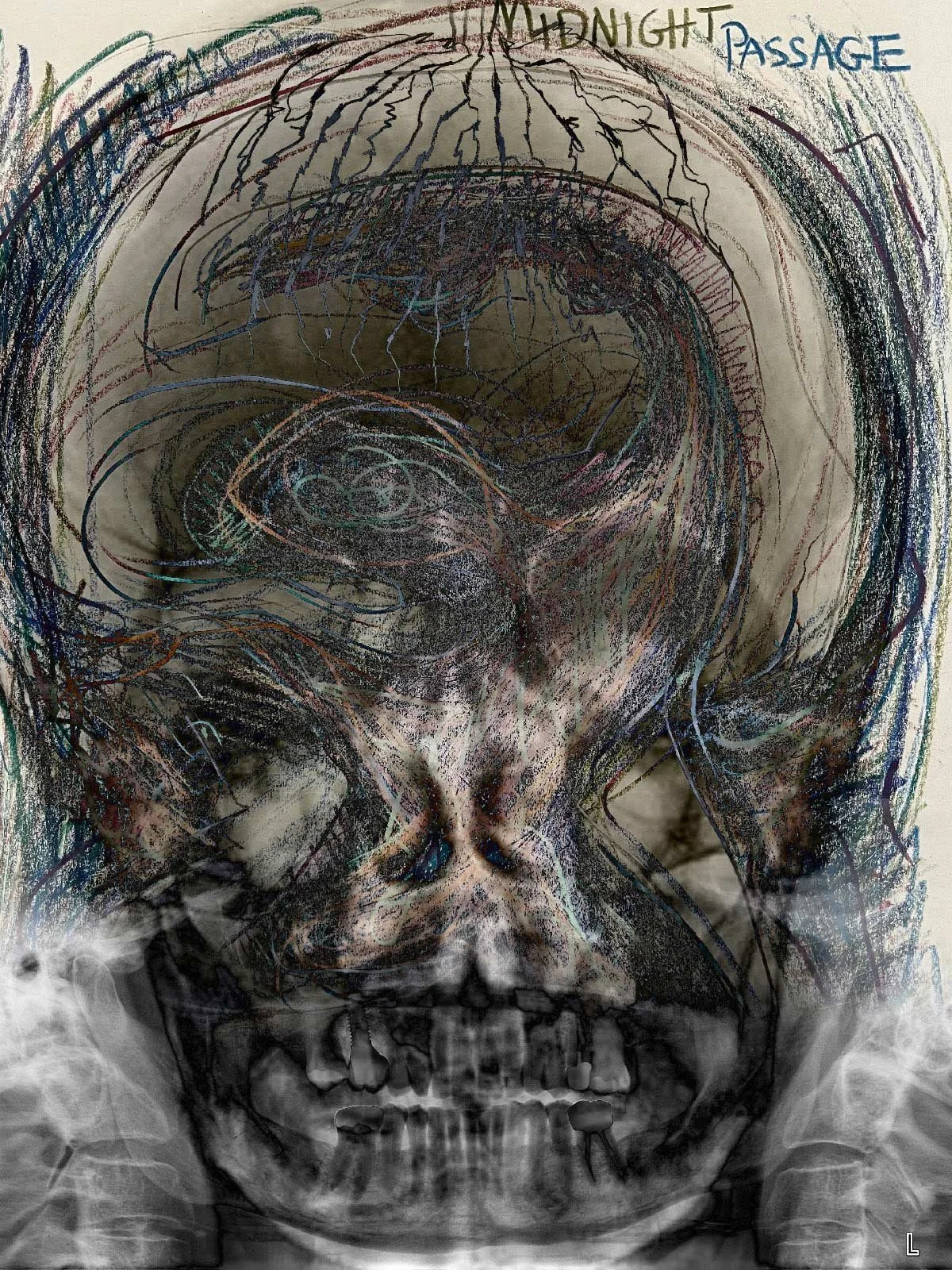
In a Fairy Tale
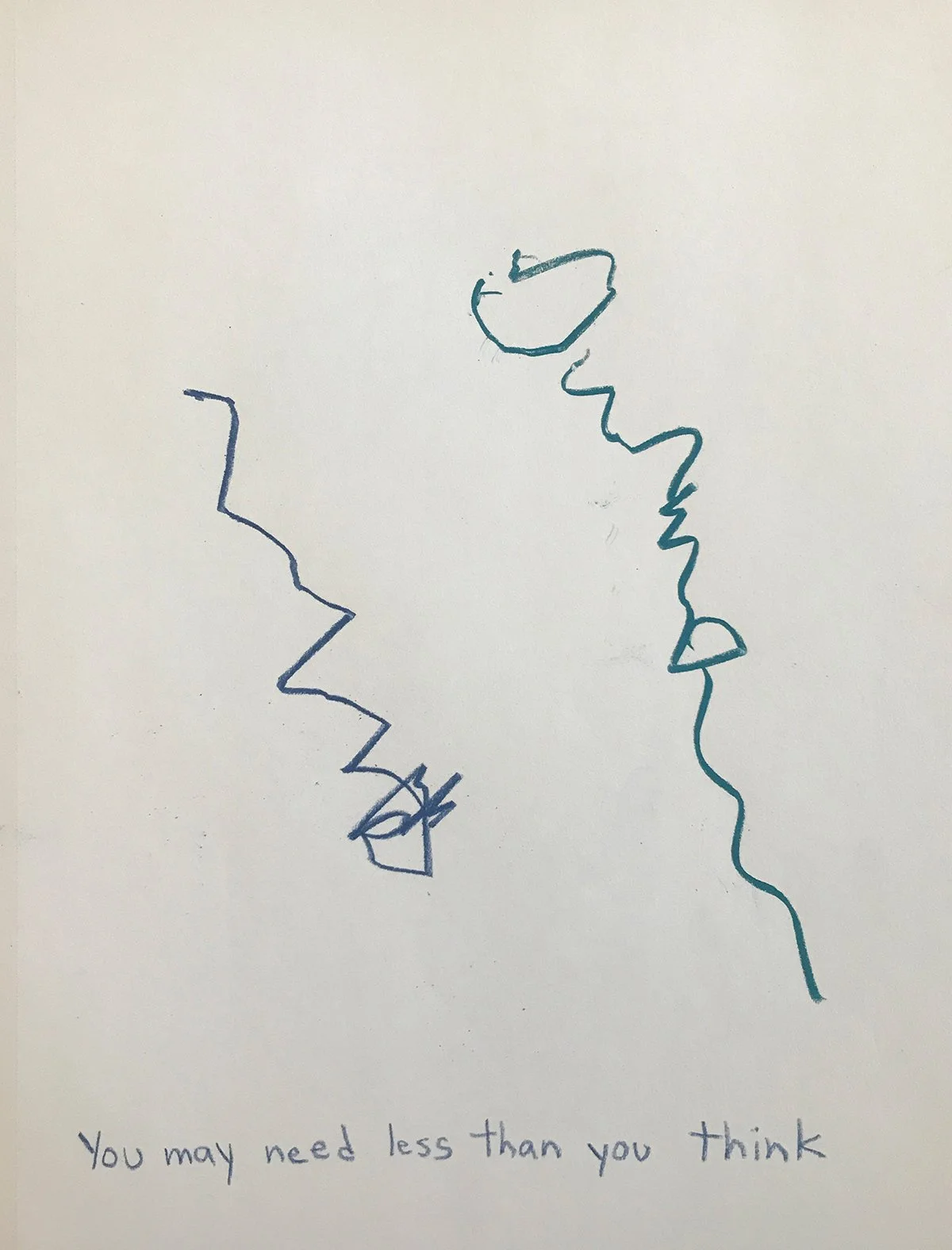
I’m slowly learning to relax my vice grip on the future, my futile attempt to map out what my life might look like going forward as I wait for the next event, the next sign of decline. And I think that Hal is doing the same—although he’s always been better at it than I have. Not that there is no more planning to be done, but I’m developing an understanding that life is too complicated for us to know what the territory ahead might look like.
I’m fascinated by the idea of a forest and, although I do love walking through the woods, I also have a deep fear of the tangle of paths and trees and roots and brush and insects and wild animals that I could lose my way amongst.
Like in a fairy tale, there have been so many seemingly impossible tasks we have had to accomplish. Searching in the forest for the single rose growing in the middle of the winter, climbing the ice mountain, weaving a cloak of gossamer.
Hal and I are still wandering through the forest, but more and more, there’s an okayness with not knowing exactly how this fairytale is going to end. I’m trying to enjoy the beauty of the frosty winter trees and the red berries along the way.
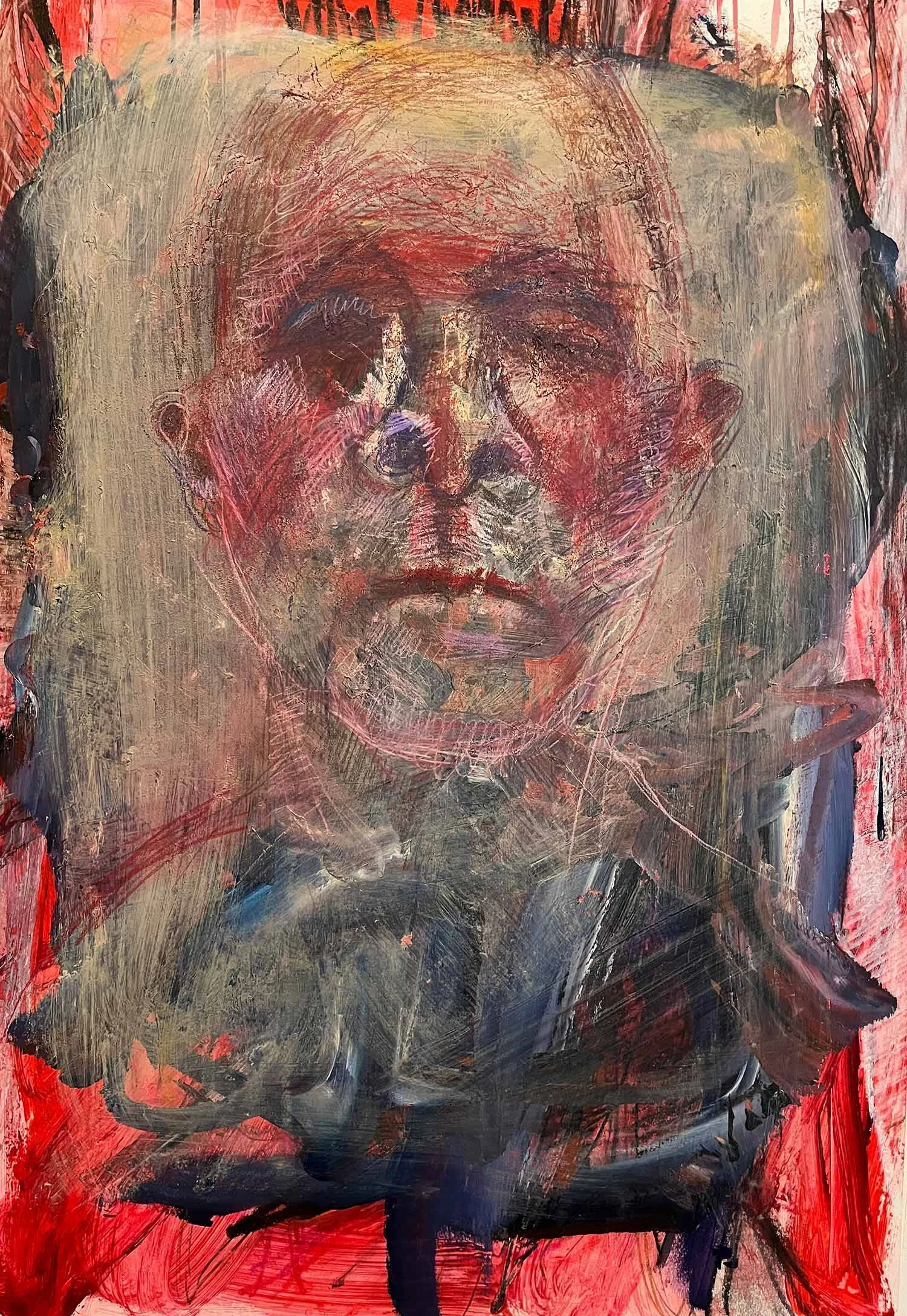
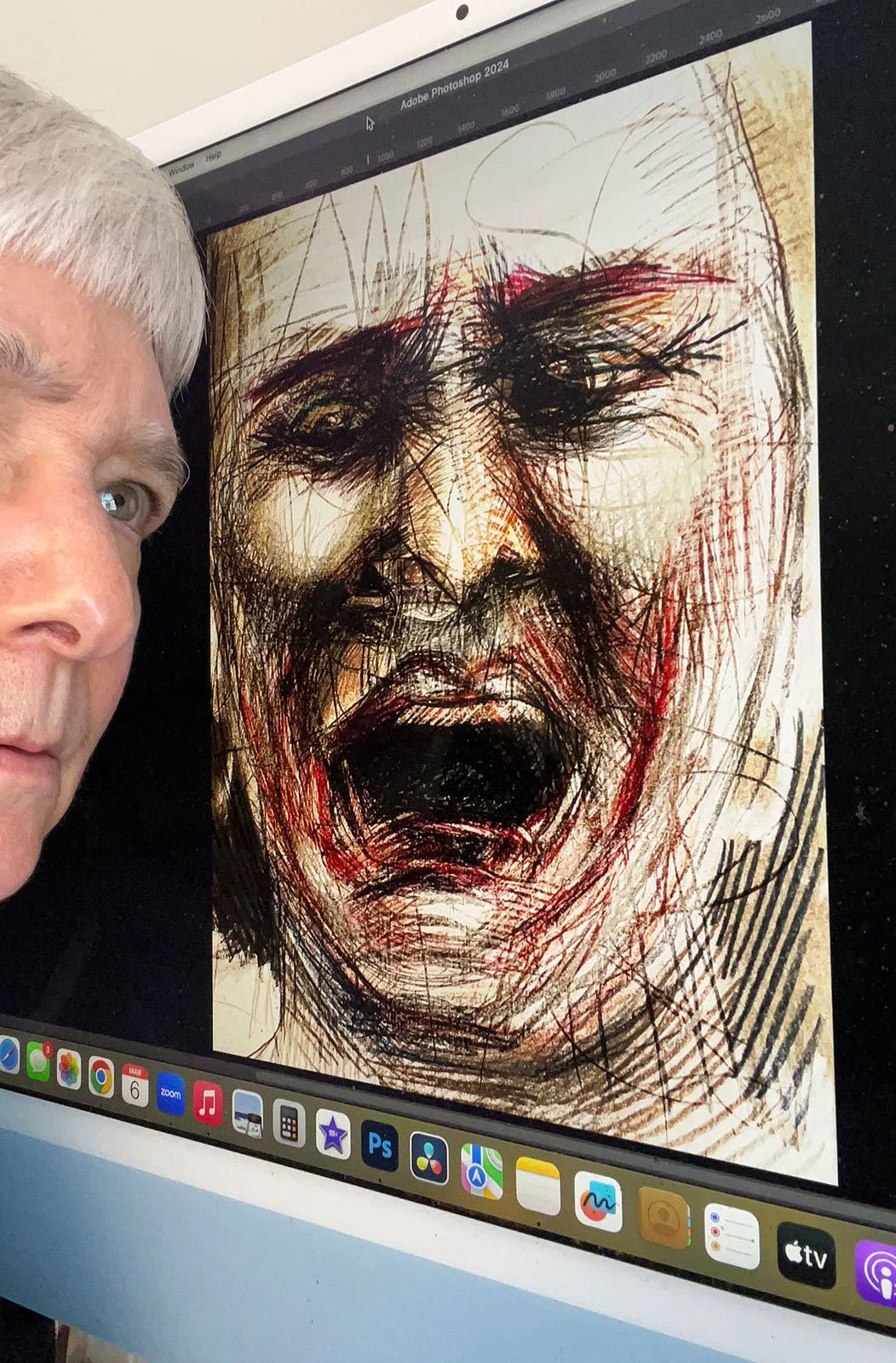
Morning Sketches